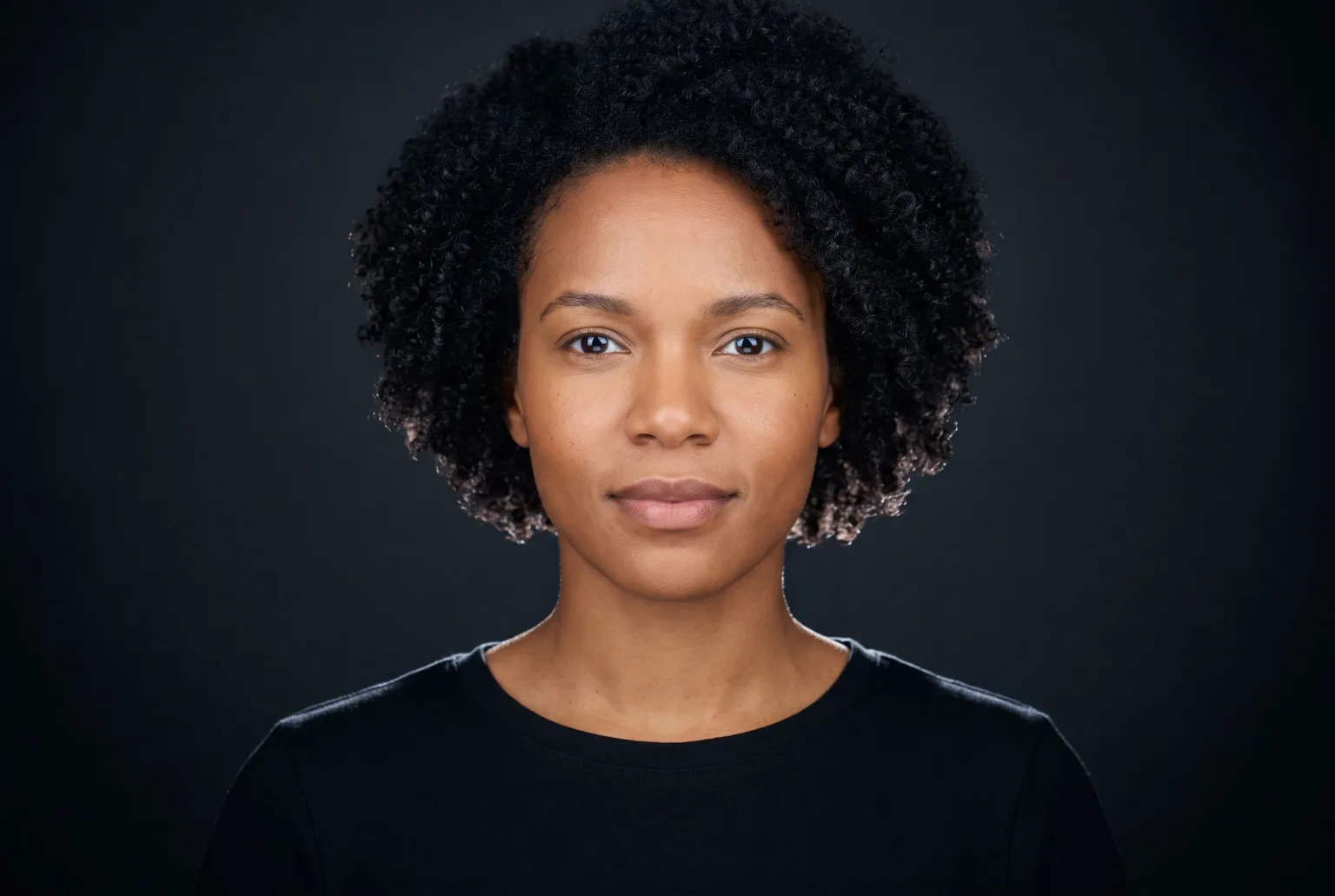
Most AI model generators produce a face. Then you go back tomorrow, type something similar, and get a different person.
That is fine for a mood board and useless for a catalogue. A catalogue needs the same person in shot one and shot forty, in every garment, at every angle. The generation is the easy part; the identity is the product.
Building a model
You do not write a prompt. You fill in a builder:
- Ethnicity: 8 options
- Gender: 3
- Size and body: petite, slim, athletic, average, curvy, muscular, plus-size, XXL
- Age range: teen (16–19) through senior (60+)
- Skin tone: 6
- Hair: length, style, colour
- Expression: 5
- Height: 3
Plus up to 600 characters of free direction for anything the fields do not cover, and an optional starting photograph if you have a reference you want the model to resemble.
Why the view set matters
The builder does not stop at a portrait. It runs through a short pipeline:
- Portrait: one interpretation of your attributes, which you refine with written edits (with undo) rather than accept as it comes.
- View set: front, side and half-body renders of the portrait you settled on.
- Ready: the model is saved to your library.
That view set is the thing that makes identity hold. Every later generation references it, which is why the model does not drift between a hero shot and a detail shot, or between a studio backdrop and a street scene.
Reuse is the whole point
Once a model is ready it behaves like any other asset in your team library. Any teammate can pull it into a shoot. It costs nothing to keep, and building a second one, at a different age or size or for a different market, costs the same as the first.
That changes a decision most brands make by budget rather than by intent. Showing a garment on more than one body type stops being a line item and becomes a checkbox.
What it does not do
It does not put a real person's likeness into your catalogue. Models are generated from attributes, not from scraped photographs of identifiable people. If you start from an uploaded reference, that is your own image and your own responsibility to have rights to.
Every generated image can also be downloaded with a signed C2PA manifest and an IPTC DigitalSourceType label marking it as AI-generated, so the disclosure travels with the file wherever it is published.
Start generating your own product images
Bring the product photos you already have and generate your first studio-quality shots in minutes. Free plan, no credit card.
Get started free100 image credits every month, forever.
Related use cases
AI Fashion Models for Your Own Garments
Build a roster of reusable AI models, dress them in the garments you actually sell, and keep the same face across an entire collection, without casting, a studio, or a shoot day.
On-Model Fashion Photography Without a Shoot
Turn flat-lay and hanger shots of your garments into on-model imagery: real product, generated model, consistent identity, any environment, every aspect ratio your channels ask for.
Packshots From Outfit Photos
Turn one on-model or lookbook photo into a clean product image of every garment in it: studio, flat, ghost mannequin, hanger or mannequin, one packshot per piece you tick.